Kidney disease evaluation and follow-up
 Dr. Jyotikanta
Consultant Nephrologist &
Kidney Transplant Physician.
About Us
Contrary to popular belief, Lorem Ipsum is not simply random text. It has roots in a piece of classical Latin literature from 45 BC, making it over 2000 years old.
Get a free quote


Kidney Serivce
Kidney Services That
make a difference
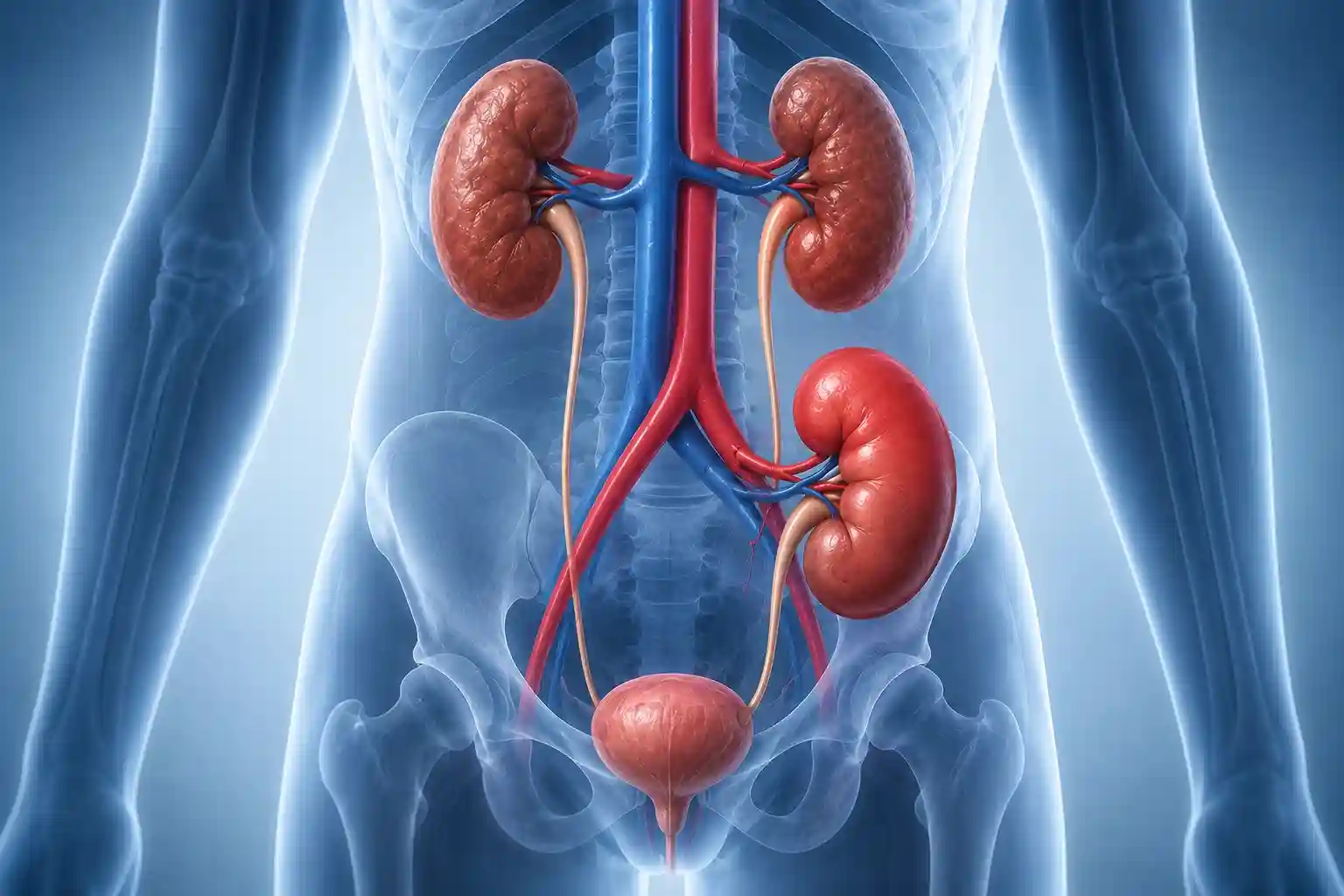

Kidney Transplant Care
Evaluation and follow-up for patients being considered for kidney transplantation, based on clinical assessment and individual medical needs.
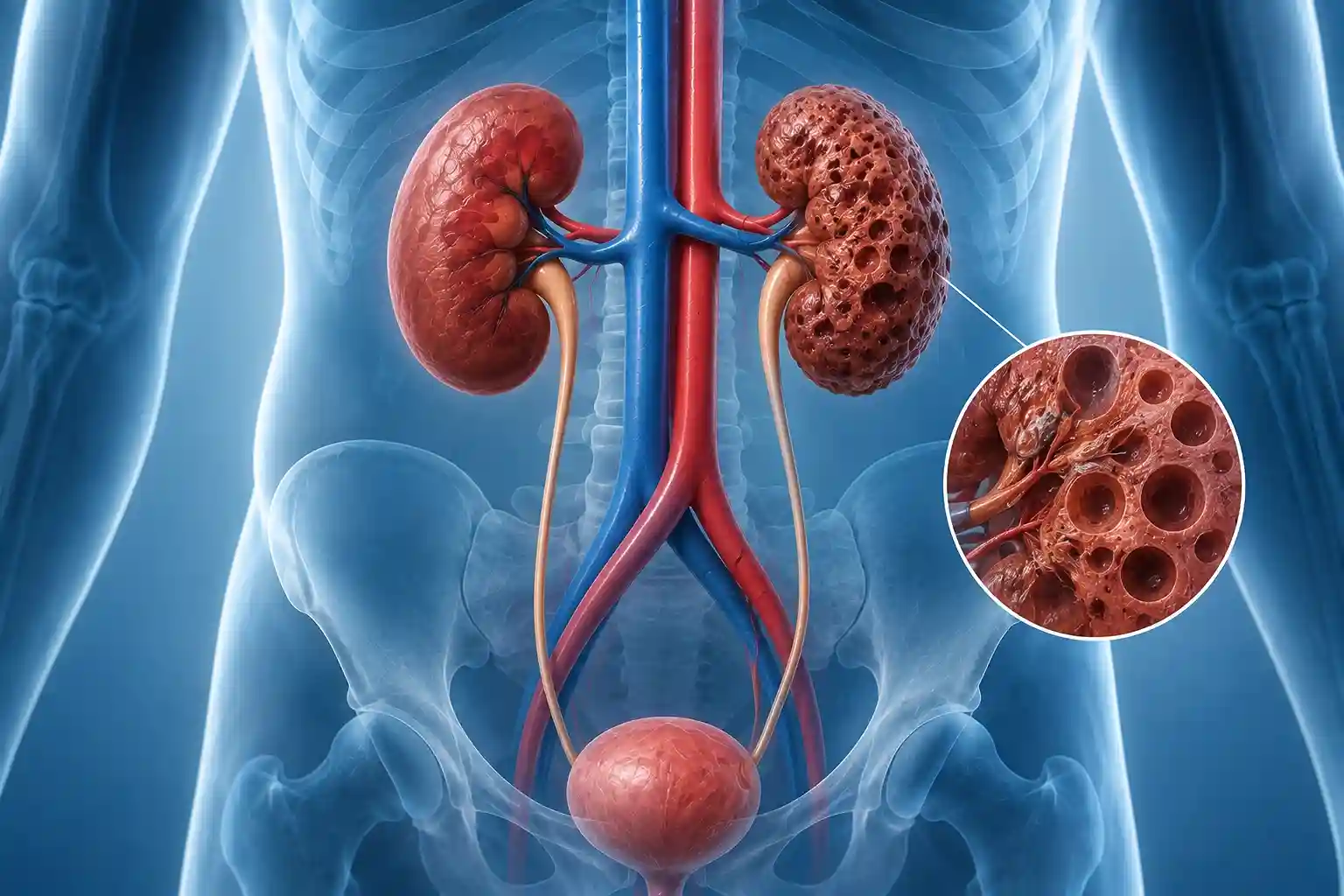
Chronic Kidney Disease Management
Monitoring and management of chronic kidney disease to support kidney function and address related health risks over time.
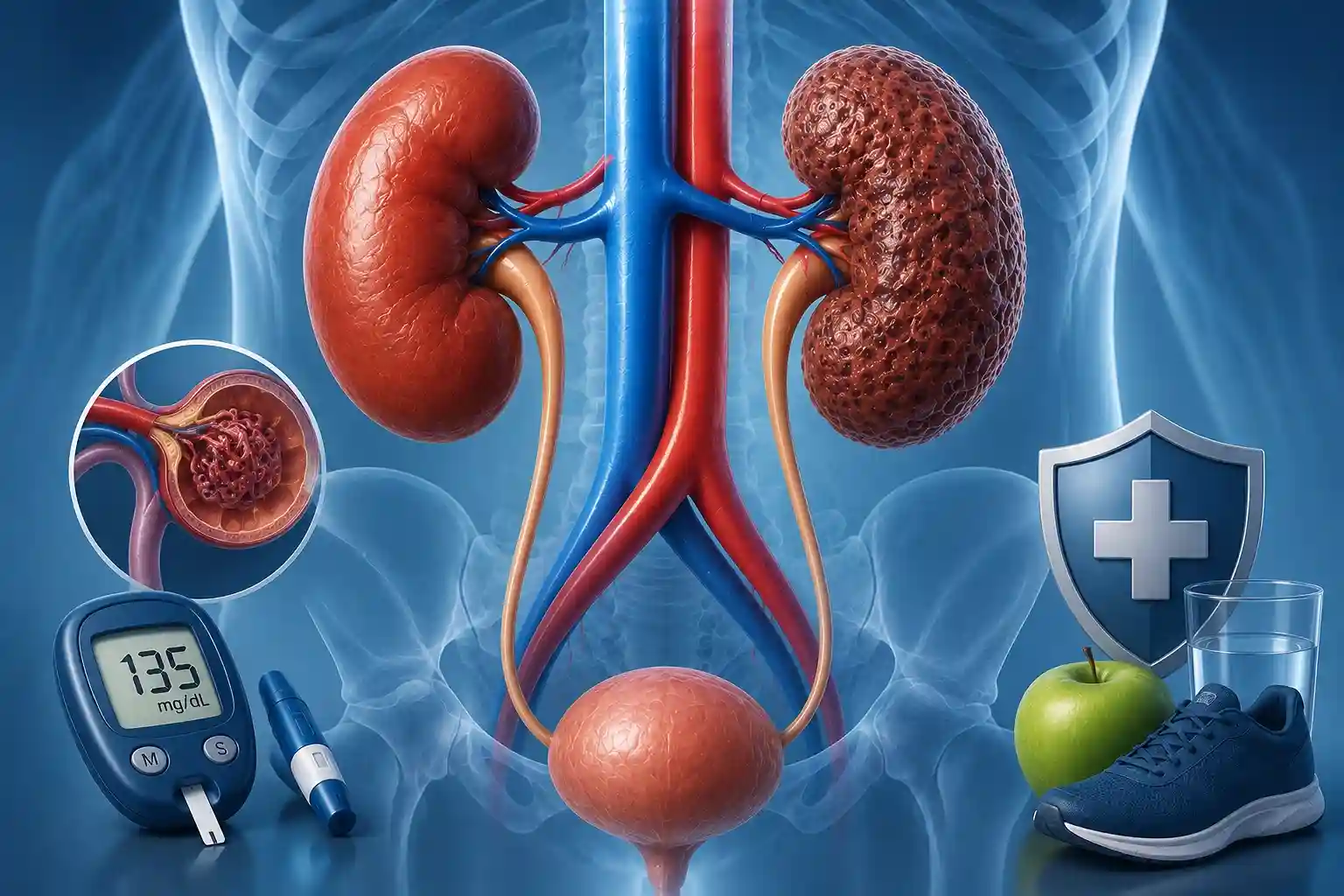
Diabetic Kidney Disease Management
Kidney-focused care for people with diabetes, including monitoring of kidney function and related complications.
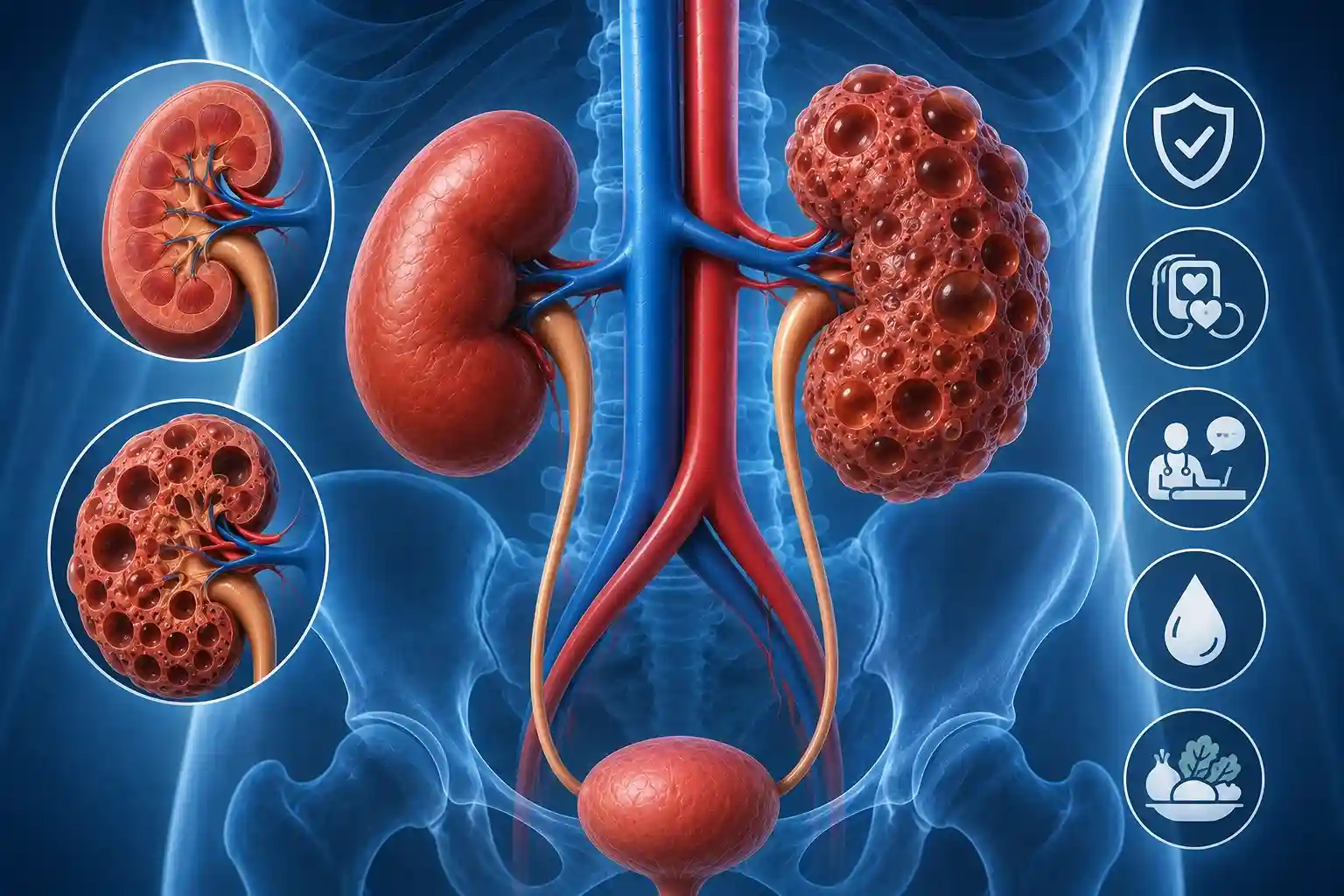
Polycystic Kidney Disease Care
Evaluation and long-term management of polycystic kidney disease, including kidney function and blood pressure monitoring.
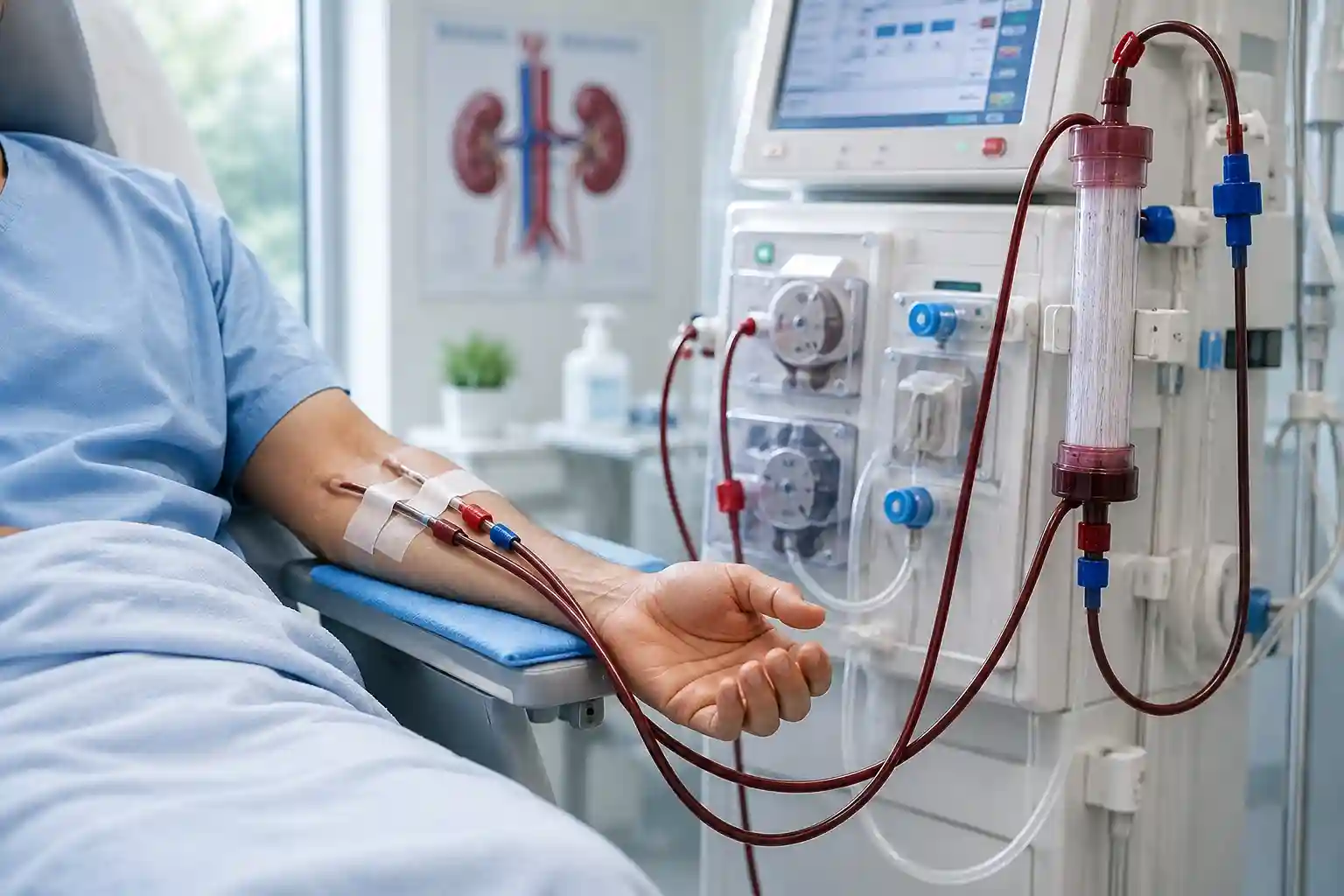
Hemodialysis Care
Clinical assessment and ongoing nephrology support for patients who require hemodialysis as part of kidney care.
.webp)
Hypertension & Kidney Care
Assessment of high blood pressure when kidney disease is present or suspected, with ongoing monitoring when needed.
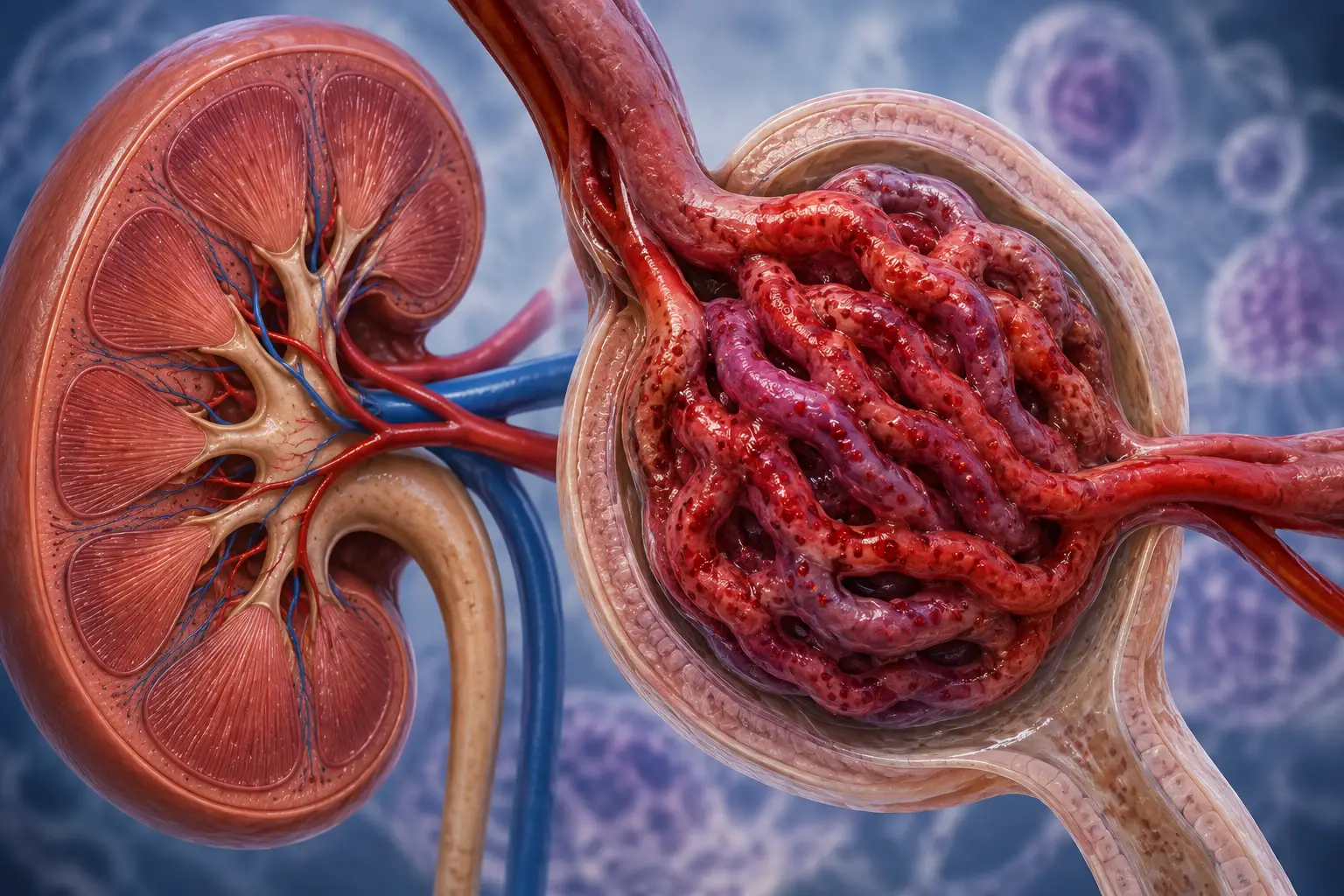
Glomerulonephritis Care
Evaluation and management of inflammatory conditions that affect the kidney’s filtering units.
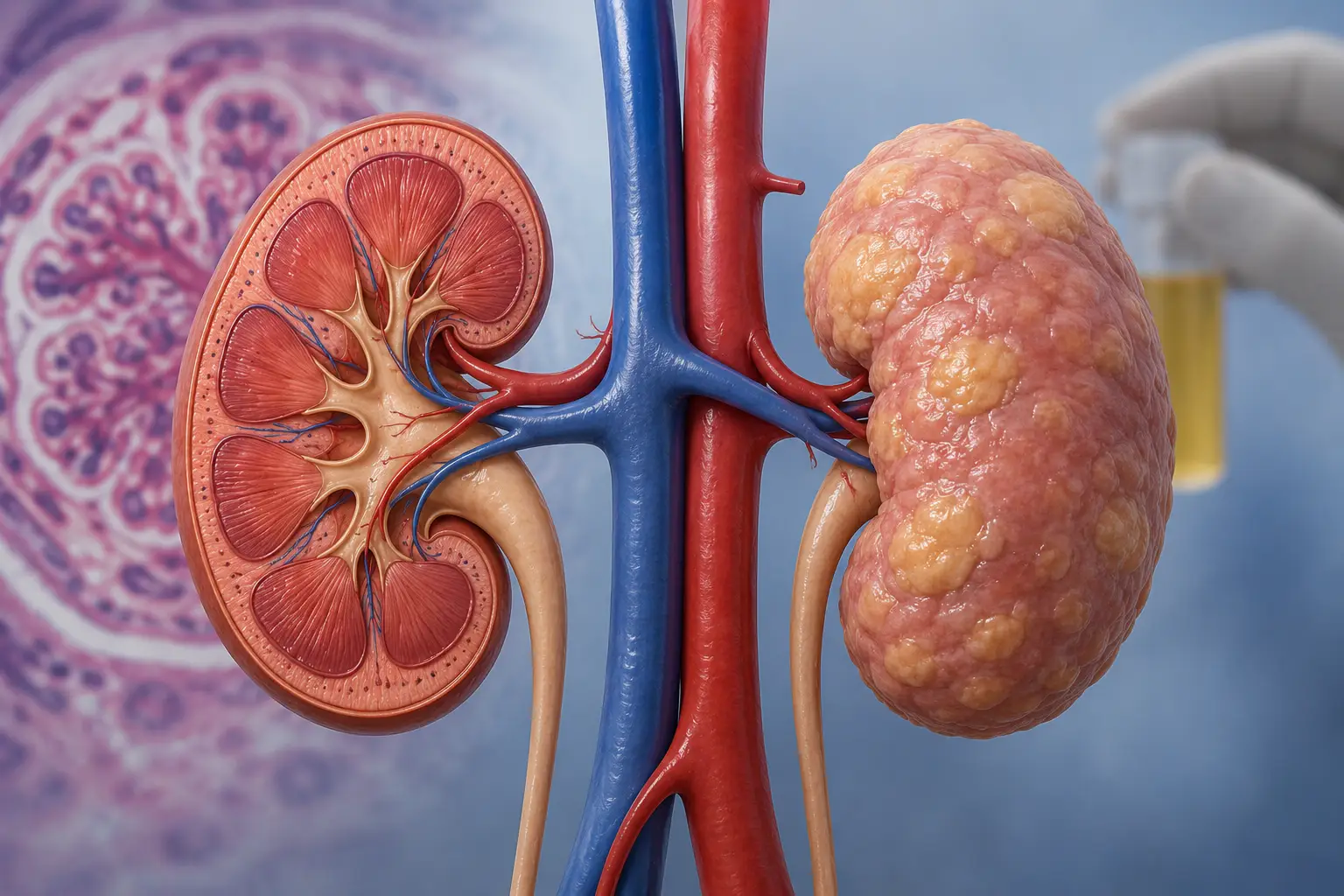
Nephrotic Syndrome Care
Assessment and management of nephrotic syndrome, including protein loss, swelling and kidney-function monitoring..
About Us
Nephrology Care Focused on Your
Kidney Health
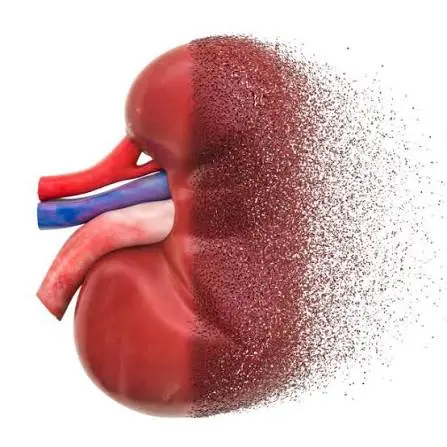
Dr. Jyotikanta Behera provides nephrology consultations for kidney-related conditions, dialysis care and kidney transplant evaluation. Care begins with a clinical review of symptoms, medical history, kidney-function results and other relevant findings so that the next steps can be planned according to the patient’s individual condition.
-
-
Dialysis-related nephrology care
-
Kidney transplant evaluation and follow-up
-
Nephrology
Care -
Kidney Transplant Care
Need Help!
(+91)-6371695909
Our Diagnostics
Accurate Testing for Better
Healthcare Decisions
-

Kidney Function Test (KFT)
Blood tests used to assess kidney function and support clinical evaluation.
-

Urine Analysis
Checks urine for findings that may indicate kidney or urinary tract problems.
-

Serum Creatinine Test
Measures serum creatinine, an important marker used when assessing kidney function.
-

eGFR Assessment
Estimates how well the kidneys are filtering, using creatinine and other clinical information.
-

Electrolyte Testing
Measures minerals such as sodium and potassium that may change with kidney disease.
-

Kidney Biopsy
Examines a small kidney-tissue sample when clinically indicated to help clarify a diagnosis.
Our Treatments
See What We Offer

Chronic Kidney Disease (CKD)
Ongoing evaluation and management of reduced kidney function, including monitoring of progression and related health risks.
Acute Kidney Injury (AKI)
Assessment and treatment planning for a sudden decline in kidney function, based on the underlying cause and clinical findings.
Kidney Transplant
Pre-transplant evaluation and post-transplant nephrology follow-up when clinically appropriate.
Diabetic Kidney Disease
Kidney care for people with diabetes, with attention to kidney function, urine protein and related risk factors.
Hypertensive Kidney Disease
Evaluation and ongoing care when high blood pressure is associated with kidney disease or impaired kidney function.
Proteinuria
Assessment of excess protein in urine to identify possible kidney disease and guide appropriate follow up.
Kidney Appointment
Need a Kidney Consultation?
Share your concern or request an appointment with Dr. Jyotikanta Behera for nephrology care in Bhubaneswar. The clinic team can help confirm availability and the appropriate consultation service.
Your Feedback Drives Our Excellence,

Dr. Jyotikanta Behera
Consultant Nephrologist & Kidney Transplant Physician.Dr. Jyotikanta Behera provides nephrology consultations for kidney disease, dialysis-related care and kidney transplant evaluation. Treatment planning is based on clinical assessment, test results and the individual needs of each patient.
Location
Consultation Locations in Bhubaneswar
Our Location
KIMS Super Speciality Hospital
Monday - Saturday
11:00 AM – 5:00 PM
KIMS Super Speciality Hospital — Kalinga Institute of Industrial Technology, Campus 5, Chandaka Industrial Estate, Kushabhadra Campus, Patia, Bhubaneswar, Odisha 751024
Optimarenal Dialysis Centre — Unit 6, Ganganagar, Bhubaneswar
Book a Nephrology AppointmentAppointments
For appointment availability, call (+91) 6371695909 or use the booking form on this page.
CONTACT NUMBER
(+91)-6371695909
Patient Feedback
What
Patients
Say
Use only authentic, unedited reviews supplied through the live
review widget or another verified source. Do not create or rewrite
patient outcome
testimonials as website copy.
Why Choose Us
Kidney Care With Clear ,
Clinical Guidance
-
Specialist Nephrology Focus
Consultation for kidney-related conditions with evaluation and management guided by clinical findings. .
-
Transplant & Dialysis Support
Care includes kidney transplant evaluation and dialysis-related nephrology support when clinically appropriate.
-
Ongoing Kidney Monitoring
Follow-up may include kidney function, blood pressure and treatment-response monitoring according to individual needs.
FAQ
Answers to Common
Queries
What does a nephrologist treat?
A nephrologist is a doctor who evaluates and manages diseases that affect kidney function. This can include chronic kidney disease, acute kidney injury, protein in the urine, kidney problems related to diabetes or high blood pressure, electrolyte disorders, dialysis needs and transplant-related kidney care.
When should I consult a nephrologist?
A nephrology consultation may be recommended when kidney-function tests are abnormal, creatinine is elevated, protein or blood is found in urine, kidney function is declining, or another doctor identifies a kidney-related concern. People with diabetes or difficult-to-control blood pressure may also need kidney assessment when clinically indicated.
What is chronic kidney disease (CKD)?
Chronic kidney disease is a long-term reduction in kidney structure or function that persists over time. The stage and treatment plan depend on kidney-function measurements, urine findings, underlying causes and other health conditions. Regular monitoring can help guide treatment and follow-up.
When may dialysis be considered?
Dialysis may be considered when the kidneys can no longer adequately perform key functions and a nephrologist determines that renal replacement therapy is needed. The decision is based on symptoms, kidney function, fluid balance, laboratory findings and the overall clinical picture rather than a single test result.
What does kidney transplant evaluation involve?
Kidney transplant evaluation usually involves reviewing kidney disease, overall health, laboratory results and other clinical factors to determine whether transplantation may be suitable. The exact assessment and next steps depend on the patient’s individual medical condition and the transplant program involved.
Which tests are commonly used to assess kidney function?
Common tests include serum creatinine, estimated glomerular filtration rate (eGFR), urine analysis, urine protein testing and electrolyte measurements. Imaging or kidney biopsy may be recommended in selected cases when more information is needed to establish a diagnosis.
Can diabetes and high blood pressure affect the kidneys?
Yes. Diabetes and high blood pressure are common conditions that can affect kidney function over time. Monitoring blood pressure, blood sugar, urine findings and kidney-function tests can help clinicians identify kidney involvement and plan appropriate care.
What should I bring to a nephrology appointment?
Bring recent blood and urine reports, imaging results, hospital discharge papers if relevant, a current medication list and details of previous kidney treatment or dialysis. Having earlier creatinine or eGFR results can also help the nephrologist understand how kidney function has changed over time.
Dr. Jyotikanta
Consultant Nephrologist &
Kidney Transplant Physician.