Book Your Kidney Care Consultation
Get expert guidance for your kidney health. Schedule a consultation with Dr. Jyotikanta, Consultant Nephrologist & Kidney Transplant Physician.
- Kidney Disease
- CKD Management
- AKI Treatment
- Kidney Failure
- Kidney Transplant
- Dialysis Care
- Diabetic Kidney Disease
- Hypertensive Kidney Disease
- Polycystic Kidney Disease
- Kidney Cyst
- Glomerulonephritis
- Nephrotic Syndrome
Send Us Your Enquiry
Fill in your details and our expert will contact you shortly.
Specialized Treatment for Chronic Kidney Disease
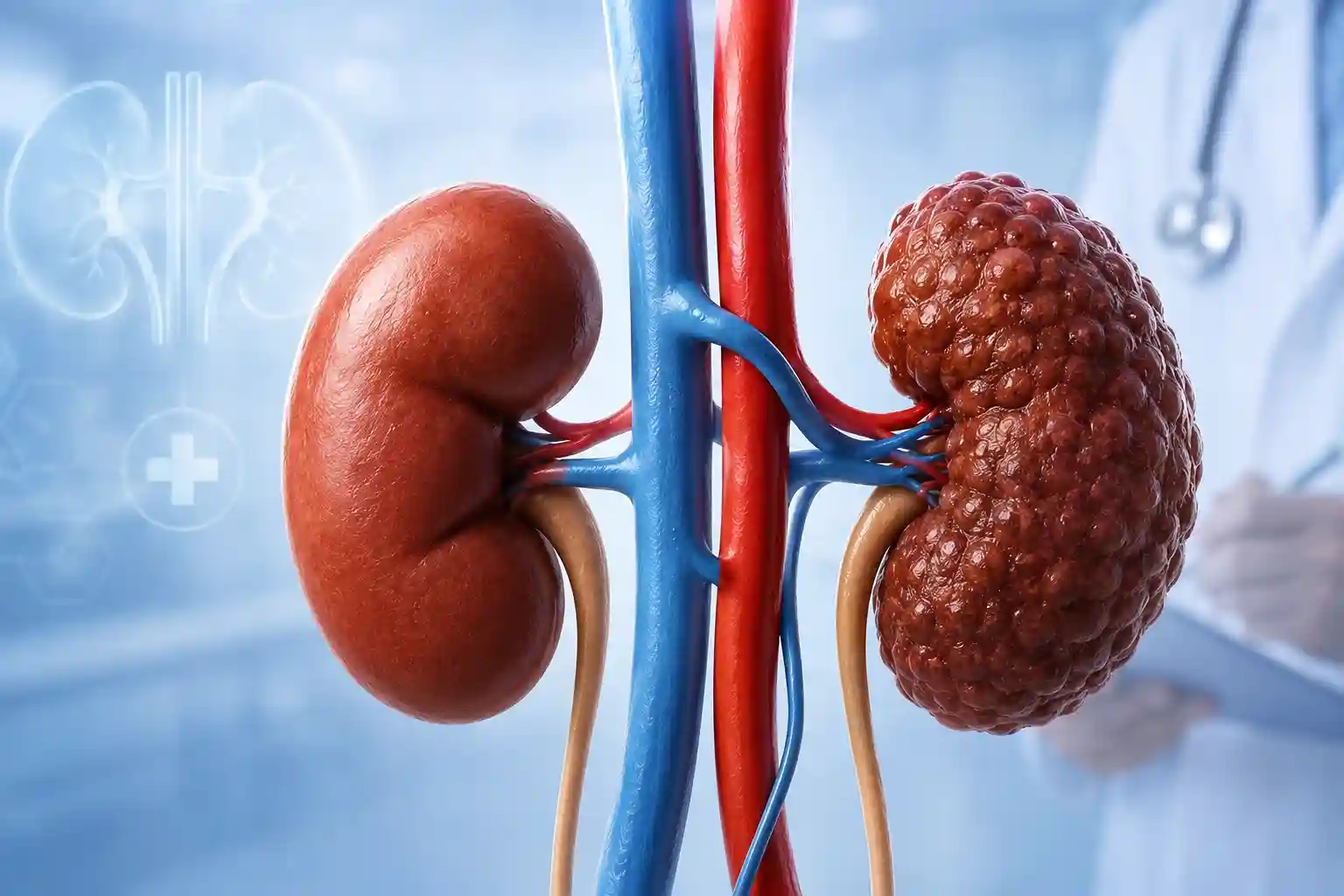
What Is Chronic Kidney Disease?
Chronic kidney disease (CKD) is a condition in which the kidneys gradually lose their ability to filter waste and excess fluid from the body. The condition can develop slowly and may not cause noticeable symptoms in its early stages. Chronic Kidney Disease treatment in Bhubaneswar ,Early diagnosis and regular monitoring can help identify changes in kidney function and guide appropriate treatment.
A nephrologist assesses kidney function through medical history, symptoms, blood tests, urine tests, and other investigations. Treatment depends on the stage and cause of CKD and may include medicines, dietary changes, lifestyle adjustments, and regular follow-up.
Who May Need CKD Evaluation?
Dialysis may be recommended for people with severe or advanced kidney disease when the kidneys can no longer perform their functions adequately. It may be required for patients with chronic kidney disease, kidney failure, or certain cases of acute kidney injury.
A best kidney treatment doctor in Bhubaneswar may recommend further evaluation when test results or symptoms suggest that kidney function needs closer attention.
CKD evaluation may be considered for patients with:
-
Reduced kidney function
-
Persistent protein in the urine
-
Diabetes or high blood pressure
-
Recurrent kidney problems
-
Abnormal creatinine or eGFR results
-
A family history of kidney disease
The evaluation is based on each patient's condition. Medical history, medicines, blood pressure, urine findings, kidney function, and other health conditions may be reviewed during the assessment.
Chronic Kidney Disease Treatment in Bhubaneswar
Managing CKD involves finding the cause, checking the stage of kidney disease, and keeping track of kidney function over time. For patients looking for chronic kidney disease treatment in Bhubaneswar, the assessment may include blood tests, urine analysis, blood pressure monitoring, medication review, and other investigations when required.
For patients looking for kidney dialysis in Bhubaneswar, the evaluation may include kidney function tests, blood and urine tests, blood pressure monitoring, medical history, and assessment of other health conditions.
-
Kidney Function Assessment
Tests such as serum creatinine and eGFR help assess how well the kidneys are working. These results can also help doctors monitor changes in kidney function over time.
-
Urine Tests
Urine testing may help identify protein, blood, or other changes that can provide useful information about kidney health and the possible cause of kidney disease.
-
Blood Pressure Monitoring
High blood pressure can affect kidney function and may also develop as kidney disease progresses. Regular monitoring helps keep blood pressure under control as part of CKD care.
-
Diabetes and Kidney Health
Diabetes can affect the kidneys over time. Patients with diabetes may need regular kidney function and urine tests to identify possible kidney damage at an early stage.
-
Diet and Medication Guidance
Depending on the stage of CKD, patients may need changes to their diet, medicines, fluid intake, or daily habits. Recommendations are based on kidney function and other medical conditions.
Chronic Kidney Disease and Kidney Failure
CKD can progress over time in some patients, particularly when the underlying cause is not controlled. A kidney specialist in Bhubaneswar can monitor kidney function and provide appropriate treatment to manage the condition and address complications when they occur
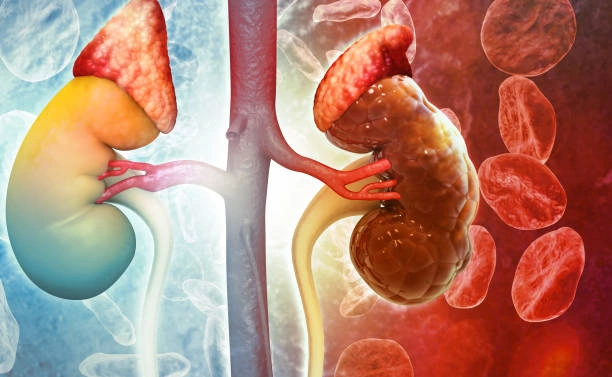
Regular follow-up is an important part of chronic kidney disease care. Kidney function, blood pressure, urine tests, medicines, and other health concerns may be reviewed during follow-up visits.
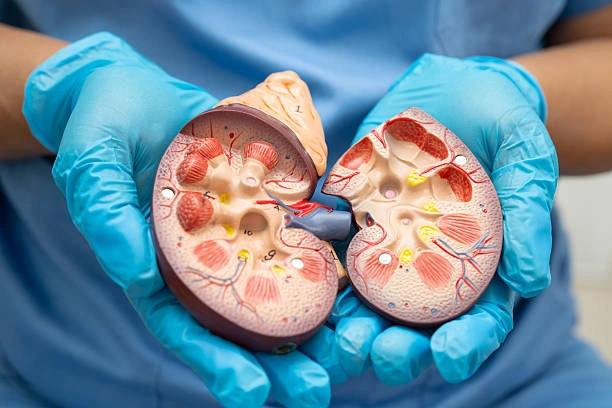
Patients searching for kidney disease treatment in Bhubaneswar can receive an evaluation based on their symptoms, test results, medical history, and kidney function. Treatment may include medicines, dietary advice, lifestyle changes, and regular monitoring.
Can chronic kidney disease be treated?
CKD may not always be reversible, but appropriate treatment can help manage the underlying condition and slow the worsening of kidney function in many patients.
How is chronic kidney disease diagnosed?
Doctors may use blood tests, urine tests, eGFR, blood pressure measurements, imaging, and other investigations depending on the patient's condition.
Does every CKD patient need dialysis?
No. Dialysis is generally considered when kidney function becomes severely reduced or certain complications develop. The need for dialysis depends on the patient's individual condition.