Book Your Kidney Care Consultation
Get expert guidance for your kidney health. Schedule a consultation with Dr. Jyotikanta, Consultant Nephrologist & Kidney Transplant Physician.
- Kidney Disease
- CKD Management
- AKI Treatment
- Kidney Failure
- Kidney Transplant
- Dialysis Care
- Diabetic Kidney Disease
- Hypertensive Kidney Disease
- Polycystic Kidney Disease
- Kidney Cyst
- Glomerulonephritis
- Nephrotic Syndrome
Send Us Your Enquiry
Fill in your details and our expert will contact you shortly.
Polycystic Kidney Disease Treatment with Expert Nephrology Care

What Is Polycystic Kidney Disease?
Polycystic kidney disease is a genetic condition in which cysts grow in the kidneys. Some patients may have few or no symptoms for years, while others may develop high blood pressure, pain, blood in the urine, kidney stones, infections, or declining kidney function. Regular medical assessment can help identify these problems and keep track of changes in kidney health.
A nephrologist assesses kidney function through medical history, symptoms, blood tests, urine tests, and other investigations. Treatment depends on the stage and cause of CKD and may include medicines, dietary changes, lifestyle adjustments, and regular follow-up.
Who May Need PKD Evaluation?
Patients with a family history of polycystic kidney disease or symptoms and test results suggesting PKD may benefit from a kidney evaluation. Polycystic kidney disease treatment in Bhubaneswar review the patient's medical history, kidney function, blood pressure, symptoms, and family history to decide what further tests or follow-up may be needed.
A kidney doctor in Bhubaneswar may recommend further evaluation when test results or symptoms suggest that kidney function needs closer attention.
Evaluation may be considered for patients with:
-
A family history of PKD
-
Multiple kidney cysts
-
High blood pressure
-
Repeated urinary or kidney infections
-
Blood in the urine
-
Pain in the back, side, or abdomen
-
Reduced kidney function
Polycystic Kidney Disease Evaluation in Bhubaneswar
PKD assessment may include a review of symptoms and family history along with blood tests, urine tests, and kidney imaging. Ultrasound, CT, or MRI may be used to examine the kidneys and identify cysts. Genetic testing may also be considered in selected cases.
For patients looking for kidney dialysis in Bhubaneswar, the evaluation may include kidney function tests, blood and urine tests, blood pressure monitoring, medical history, and assessment of other health conditions.
-
Kidney Function Tests
Blood tests such as serum creatinine and eGFR help assess how well the kidneys are filtering waste. Regular testing can show whether kidney function is changing over time.
-
Blood Pressure Monitoring
High blood pressure is a common concern in PKD and can place additional stress on the kidneys. Regular monitoring and appropriate treatment can help manage this risk.
-
Kidney Imaging
Ultrasound is commonly used to look for kidney cysts. CT or MRI may be advised when more detailed imaging is needed based on the patient's condition.
-
Symptom Management
Pain, urinary infections, kidney stones, and blood in the urine can occur in some people with PKD. Treatment depends on the cause and severity of the problem and may require additional investigation.
-
Family History Assessment
Since PKD can run in families, discussing family history can be an important part of evaluation. Patients may be advised about appropriate testing and follow-up based on their individual situation.
Polycystic Kidney Disease Treatment in Bhubaneswar
There is no single treatment that is suitable for every patient with PKD. Care generally focuses on controlling blood pressure, managing symptoms and complications, monitoring kidney function, and slowing disease progression where possible. Depending on the patient's condition, medicines, lifestyle and dietary advice, and regular follow-up may be recommended.
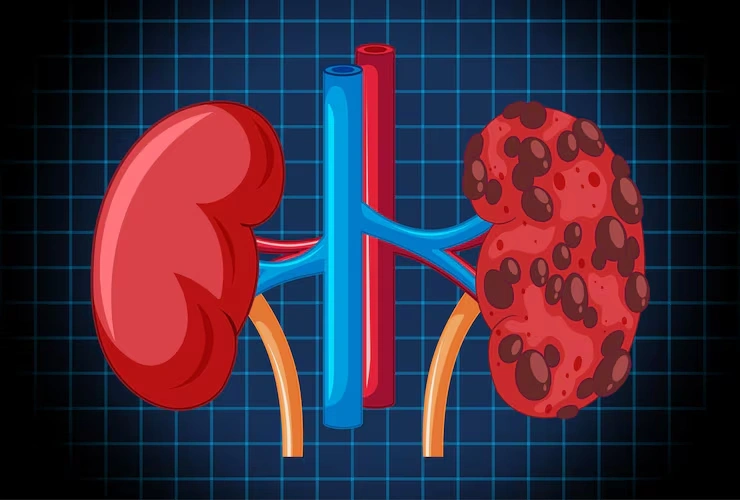
In some patients, PKD can gradually reduce kidney function and eventually lead to kidney failure. If kidney function becomes severely reduced, dialysis or kidney transplantation may be considered. A nephrologist can monitor the progression of the disease and discuss appropriate treatment options when required.
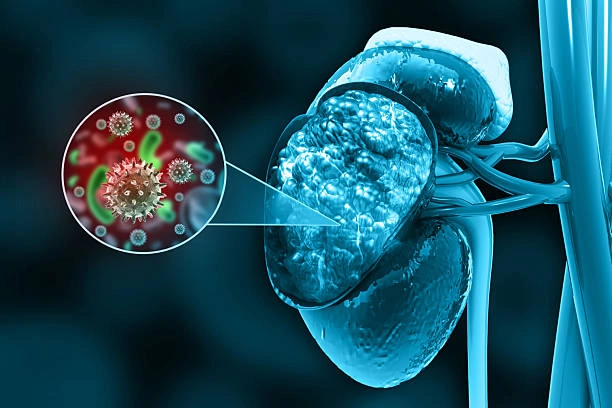
Regular follow-up is important for people living with PKD. Kidney function, blood pressure, symptoms, medicines, and other health concerns can be reviewed during appointments. Ongoing care helps doctors identify changes early and adjust the treatment plan when needed.
What treatments are available for Polycystic Kidney Disease in Bhubaneswar?
Treatment depends on the stage and symptoms of Polycystic Kidney Disease . It may include medicines to control blood pressure and pain, regular kidney-function monitoring, lifestyle changes, and, for some patients with rapidly progressing disease, medicines such as tolvaptan.
Which doctor should I consult for Polycystic Kidney Disease in Bhubaneswar?
A nephrologist (kidney specialist) is the appropriate doctor for Polycystic Kidney Disease . They can evaluate kidney function, blood pressure, kidney size and cysts, and create an individualized treatment plan.
Can Polycystic Kidney Disease be cured?
Currently, there is no treatment that completely removes the genetic cause of Polycystic Kidney Disease . However, appropriate treatment and regular follow-up can help manage symptoms, control complications, and in some cases slow the progression of kidney disease.