Book Your Kidney Care Consultation
Get expert guidance for your kidney health. Schedule a consultation with Dr. Jyotikanta, Consultant Nephrologist & Kidney Transplant Physician.
- Kidney Disease
- CKD Management
- AKI Treatment
- Kidney Failure
- Kidney Transplant
- Dialysis Care
- Diabetic Kidney Disease
- Hypertensive Kidney Disease
- Polycystic Kidney Disease
- Kidney Cyst
- Glomerulonephritis
- Nephrotic Syndrome
Send Us Your Enquiry
Fill in your details and our expert will contact you shortly.
Safe & Effective Hemodialysis Treatment

What Is Hemodialysis?
Hemodialysis Treatment in Bhubaneswar helps remove waste products, extra salt, and fluid from the blood when the kidneys are no longer able to do this adequately. It can also help maintain the balance of minerals such as potassium, sodium, and calcium and support blood pressure control. Hemodialysis does not cure kidney failure, but it can replace part of the work normally performed by the kidneys.
A nephrologist assesses kidney function through medical history, symptoms, blood tests, urine tests, and other investigations. Treatment depends on the stage and cause of CKD and may include medicines, dietary changes, lifestyle adjustments, and regular follow-up.
Who May Need Hemodialysis?
Hemodialysis may be recommended for patients with severe kidney function loss or kidney failure. The decision is based on kidney function, symptoms, blood test results, fluid buildup, and the patient's overall health.
Hemodialysis may be considered for patients with:
-
Advanced chronic kidney disease
-
Kidney failure
-
Severe reduction in kidney function
-
Excess fluid buildup
-
Certain electrolyte imbalances
-
Kidney problems requiring temporary dialysis
A kidney specialist in Bhubaneswar can assess the patient's condition and determine whether hemodialysis is appropriate.
Hemodialysis Evaluation in Bhubaneswar
Before starting dialysis, the patient's kidney function and overall health are reviewed. Blood tests, urine tests, blood pressure checks, medical history, and other investigations may be required depending on the patient's condition.
-
Kidney Function Tests
Tests such as serum creatinine and eGFR help doctors understand how well the kidneys are working and monitor changes in kidney function.
-
Blood Tests
Regular blood tests may be used to check waste products, electrolytes, haemoglobin, and other important health parameters during dialysis care.
-
Fluid and Blood Pressure Monitoring
Weight, fluid balance, and blood pressure are regularly monitored. This helps the medical team assess fluid buildup and make appropriate adjustments to treatment.
-
Vascular Access
Hemodialysis requires a suitable access through which blood can safely leave and return to the body. Depending on the patient's situation, an AV fistula, AV graft, or catheter may be used.
-
Diet and Medication Guidance
Patients on hemodialysis may need changes in their diet, fluid intake, and medicines. These recommendations depend on blood test results, kidney function, dialysis requirements, and other medical conditions.
Hemodialysis and Kidney Failure
When kidney function becomes severely reduced, dialysis may be needed to remove waste and excess fluid from the blood. A kidney doctor in Bhubaneswar can review the patient's condition and discuss suitable treatment options, including hemodialysis and kidney transplant evaluation when appropriate.
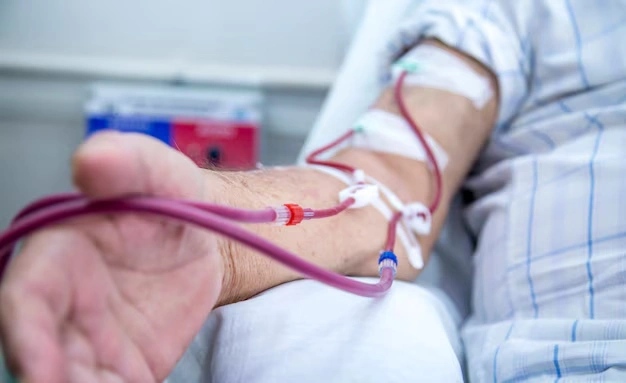
Ongoing follow-up is an important part of dialysis treatment. Kidney function, blood pressure, weight, fluid balance, blood tests, medicines, and dialysis-related concerns can be monitored regularly to keep treatment suited to the patient's needs.
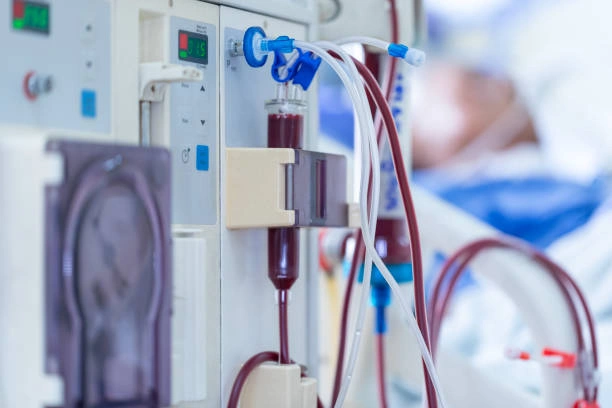
Patients looking for kidney dialysis in Bhubaneswar can receive personalized nephrology evaluation and guidance for hemodialysis. Treatment and follow-up are planned according to kidney function, medical condition, dialysis requirements, and overall health.
How does hemodialysis work?
During hemodialysis, blood is passed through a dialyzer outside the body. The filter removes waste and extra fluid before the cleaned blood is returned to the body.
How often is hemodialysis needed?
The treatment schedule varies from patient to patient. A common in-center schedule is three sessions each week, with the exact frequency and duration determined by the treating medical team.
Is hemodialysis a permanent treatment?
Not always. Some patients may need dialysis temporarily, while others with advanced or end-stage kidney disease may require long-term dialysis unless they become suitable for kidney transplantation.
Can dialysis patients receive a kidney transplant?
Some patients receiving dialysis may be evaluated for kidney transplantation. Suitability depends on the patient's overall health, medical history, and transplant assessment.