Book Your Kidney Care Consultation
Get expert guidance for your kidney health. Schedule a consultation with Dr. Jyotikanta, Consultant Nephrologist & Kidney Transplant Physician.
- Kidney Disease
- CKD Management
- AKI Treatment
- Kidney Failure
- Kidney Transplant
- Dialysis Care
- Diabetic Kidney Disease
- Hypertensive Kidney Disease
- Polycystic Kidney Disease
- Kidney Cyst
- Glomerulonephritis
- Nephrotic Syndrome
Send Us Your Enquiry
Fill in your details and our expert will contact you shortly.
Comprehensive Treatment for Diabetic Kidney Disease

What Is Diabetic Kidney Disease?
Diabetic kidney disease is kidney damage caused by diabetes. It can develop gradually and may not cause clear symptoms in the early stages. Protein in the urine or changes in kidney function can sometimes be the first signs of a problem. Regular kidney checks can help identify these changes and guide treatment.
Who May Need Diabetic Kidney Disease Evaluation?
People with diabetes may need regular kidney screening, particularly when they have high blood pressure, abnormal urine results, or other risk factors for kidney disease.
People seeking diabetic kidney disease treatment in Bhubaneswar may be advised to undergo an evaluation if there are signs of kidney involvement or changes in kidney function.
Evaluation may be considered for patients with:
-
Long-term diabetes
-
Protein or albumin in the urine
-
High blood pressure
-
Increased serum creatinine
-
Reduced eGFR
-
Swelling in the feet or legs
-
Changes in urine
-
A history of kidney disease
Diabetic Kidney Disease Evaluation in Bhubaneswar
The evaluation may include blood and urine tests to check kidney function and identify protein loss. Blood pressure and blood sugar levels are also reviewed. Additional tests may be advised when the doctor needs more information about the patient's kidney condition.
-
Kidney Function Tests
Serum creatinine and eGFR help show how well the kidneys are filtering waste. These tests can also be repeated to monitor changes over time.
-
Urine Protein Testing
Urine tests can detect albumin or other proteins that may indicate kidney damage. The amount of protein in the urine can help doctors assess the condition.
-
Blood Pressure Monitoring
High blood pressure can place additional strain on the kidneys. Keeping track of BP is an important part of care for people with diabetic kidney disease.
-
Blood Sugar Control
Keeping blood sugar within the range advised by the treating doctor can be an important part of reducing the risk of further kidney damage.
-
Medication Review
Medicines may be reviewed according to blood sugar, blood pressure, kidney function, and other health conditions. Any changes should be made under medical guidance.
Diabetic Kidney Disease Treatment in Bhubaneswar
Treatment focuses on managing diabetes, blood pressure, protein loss, and other factors that can affect kidney health. Depending on the patient's condition, treatment may include medicines, dietary changes, lifestyle advice, and regular kidney function tests.
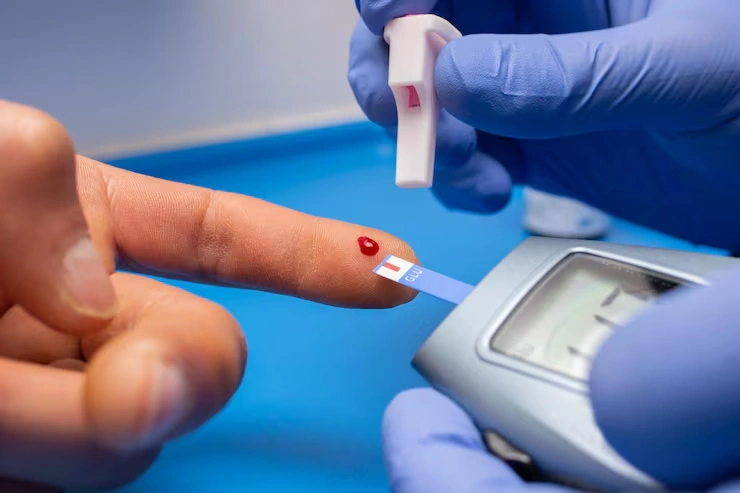
Diabetes is one of the common causes of chronic kidney disease. Kidney function can gradually decline in some people with diabetes, making regular screening and follow-up important.A kidney specialist in Bhubaneswar can monitor kidney function and help manage diabetes-related kidney problems as the condition changes.

In advanced cases, diabetic kidney disease can lead to severe loss of kidney function. Patients with advanced kidney failure may require dialysis or may be assessed for a kidney transplant, depending on their overall health and medical condition.

Regular follow-up helps keep track of kidney function, urine protein, blood pressure, blood sugar, and medicines. The treatment plan can be adjusted when test results or the patient's health changes.

Yes. Diabetes can damage the small blood vessels and filtering units of the kidneys over time, which may reduce kidney function.
How is diabetic kidney disease diagnosed?
Doctors commonly use blood tests to check eGFR and kidney function and urine tests to look for albumin or protein loss.
Can diabetic kidney disease be prevented?
Good control of blood sugar and blood pressure, along with regular kidney screening and medical follow-up, can reduce the risk of kidney damage and help detect problems earlier.
Does every diabetic patient develop kidney disease?
No. Not everyone with diabetes develops kidney disease. The risk can vary depending on diabetes duration, blood pressure, blood sugar control, family history, and other health factors.
Can diabetic kidney disease lead to dialysis?
Advanced diabetic kidney disease can cause severe loss of kidney function, and some patients may eventually need dialysis or kidney transplantation.
Diabetic Kidney Disease Management in Bhubaneswar
Managing diabetes and kidney health together can help identify problems early and guide treatment as kidney function changes. Regular tests, appropriate medicines, and follow-up with a nephrologist are important parts of long-term care.